Novos produtos


Treinamento

Nossa história
Em diversos ambientes profissionais e de alto risco, a proteção da cabeça é um fator indispensável para a segurança. Mais do que uma exigência de saúde ocupacional, trata-se de um cuidado essencial com o bem-estar. A cabeça abriga órgãos vitais, como o cérebro e os olhos – o centro de controle do corpo. Qualquer dano nessa região pode causar consequências graves e irreversíveis, comprometendo os sentidos e, em casos extremos, colocando a vida em risco.
A necessidade de proteção torna-se ainda mais evidente em setores como construção civil, indústrias e serviços de utilidade pública, onde há riscos constantes, como quedas de objetos, detritos em alta velocidade e impactos acidentais. Além disso, funções específicas, como soldagem ou atividades que envolvem substâncias perigosas, exigem o uso de equipamentos adequados para proteção contra faíscas, calor, respingos químicos e partículas suspensas no ar.
Mais do que atender às normas de segurança, como as estabelecidas pela OSHA, a proteção da cabeça é fundamental para garantir a integridade dos trabalhadores e promover um ambiente de trabalho seguro. Por isso, os capacetes e outros equipamentos de proteção para a cabeça são peças essenciais dentro dos EPIs (Equipamentos de Proteção Individual).

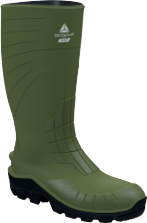
Among the wide range of personal protective equipment available, safety shoes stand out for their variety and their ability to adapt to different working conditions. They are designed to meet a wide range of workplace situations and professional requirements. So, what are the main categories of safety shoes?
In general, there are two main types of safety shoes: high-cut safety shoes and low-cut safety shoes. Each category has its own distinctive features and offers specific advantages in terms of protection, comfort and mobility. Let us take a closer look at these two types of safety shoes in order to better understand their respective uses and help identify the best choice according to the working environment and the risks involved.
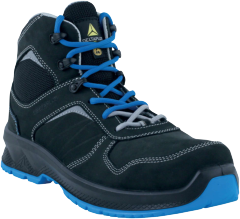
Delta Plus high-cut safety shoes are designed to provide increased protection for the ankle and lower leg. They are recommended for environments where there is a risk of injury from falling heavy objects, or where the ankles may be twisted during sudden movements.
In addition, these shoes are generally equipped with thick soles and puncture-resistant protection, making them ideal for uneven ground or areas where sharp debris may be present. They are often chosen by construction workers, materials handlers and people working in the forestry industry.
Low-cut safety shoes, on the other hand, offer greater freedom of movement and are generally lighter. They are suitable for less hazardous working environments or where mobility and comfort are a priority.
Despite their lower profile, they still provide effective protection, with reinforced toe protection and slip-resistant soles. They are often preferred in light industry, logistics and by tradespeople. The choice between high-cut and low-cut safety shoes will therefore depend on the specific needs of each worker.

Selecionar a proteção adequada para a cabeça envolve compreender os riscos associados a uma tarefa ou ambiente específico, e o nível de proteção necessário para mitigar esses perigos de forma eficaz. Aqui está um guia para ajudá-lo a fazer uma escolha informada:
Avalie os riscos: O primeiro passo é avaliar os riscos presentes no ambiente de trabalho. Isso pode incluir objetos que caem ou voam, possibilidade de batidas na cabeça, partículas prejudiciais no ar ou exposição a níveis de ruído nocivos. Uma avaliação eficaz de riscos pode ser fundamental para determinar o tipo de proteção necessário.
Entenda as regulamentações: Certifique-se de estar ciente de todas as regulamentações de segurança relevantes para o seu setor, incluindo aquelas estabelecidas por órgãos como o OSHA. Cumprir essas normas não é apenas obrigatório, mas também garante um nível adequado de segurança e proteção.
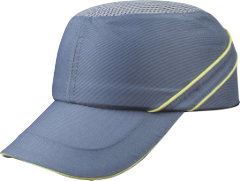
Escolha o tipo certo de equipamento: Dependendo dos riscos identificados, selecione o tipo adequado de proteção para a cabeça. Isso pode variar de capacetes ou bonés de segurança para proteção contra impactos, óculos ou protetores de olhos para proteção ocular, protetores auriculares ou abafadores para proteção auditiva, ou respiradores para proteção respiratória.
Verifique o ajuste: É crucial que o equipamento de proteção para a cabeça se ajuste corretamente. Um capacete bem ajustado permanecerá no lugar mesmo quando o usuário estiver em movimento ou se inclinando. Para os óculos, verifique se eles se ajustam bem sobre os olhos e não obstruem a visão. A proteção auditiva deve ser confortável, mas garantir um selo seguro. Por fim, respiradores devem formar um selo apertado ao redor do nariz e da boca para garantir uma filtragem eficaz.

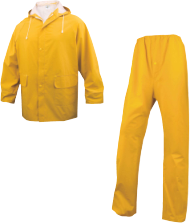
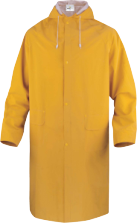
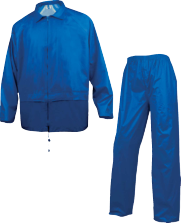
Choosing the right technical clothing for work depends on various factors, including the nature of the job, the working environment, and personal comfort preferences. Here are some key considerations:
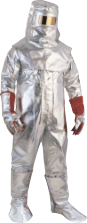
Job Nature: Identify the demands and hazards of the job. For example, if you're a welder, you'll need flame-resistant clothing. If you work in a cold environment, consider insulated clothing.
Material: Choose the right material for durability and protection. Materials like Gore-Tex are waterproof, making them suitable for outdoor jobs. Kevlar is cut-resistant, perfect for jobs involving sharp objects.
Fit: Comfort is crucial for work efficiency, so select clothing that fits well. It should be loose enough to allow mobility but not so loose that it might get caught in machinery.
Weather Conditions: Consider the local climate and weather conditions. For hot climates, breathable fabric like CoolMax can help wick away sweat. For cold climates, thermal clothing is essential.
Special Features: Some technical clothing has special features like UV protection, antistatic properties, or high-visibility colors. Choose based on the specific needs of your work.
Standards and Regulations: Certain jobs require PPE that meets specific safety standards. Always check whether your technical clothing meets these requirements.
Remember, safety and comfort should never be compromised when it comes to choosing technical clothing for work. Always opt for high-quality brands like Delta Plus, known for its durable, protective, and comfortable workwear.